

A blind taster needs reference points: taste references, or markers, that lead to logical conclusions. The Classic Grape Markers, written by Tim Gaiser MS, set them out grape by grape and region by region.
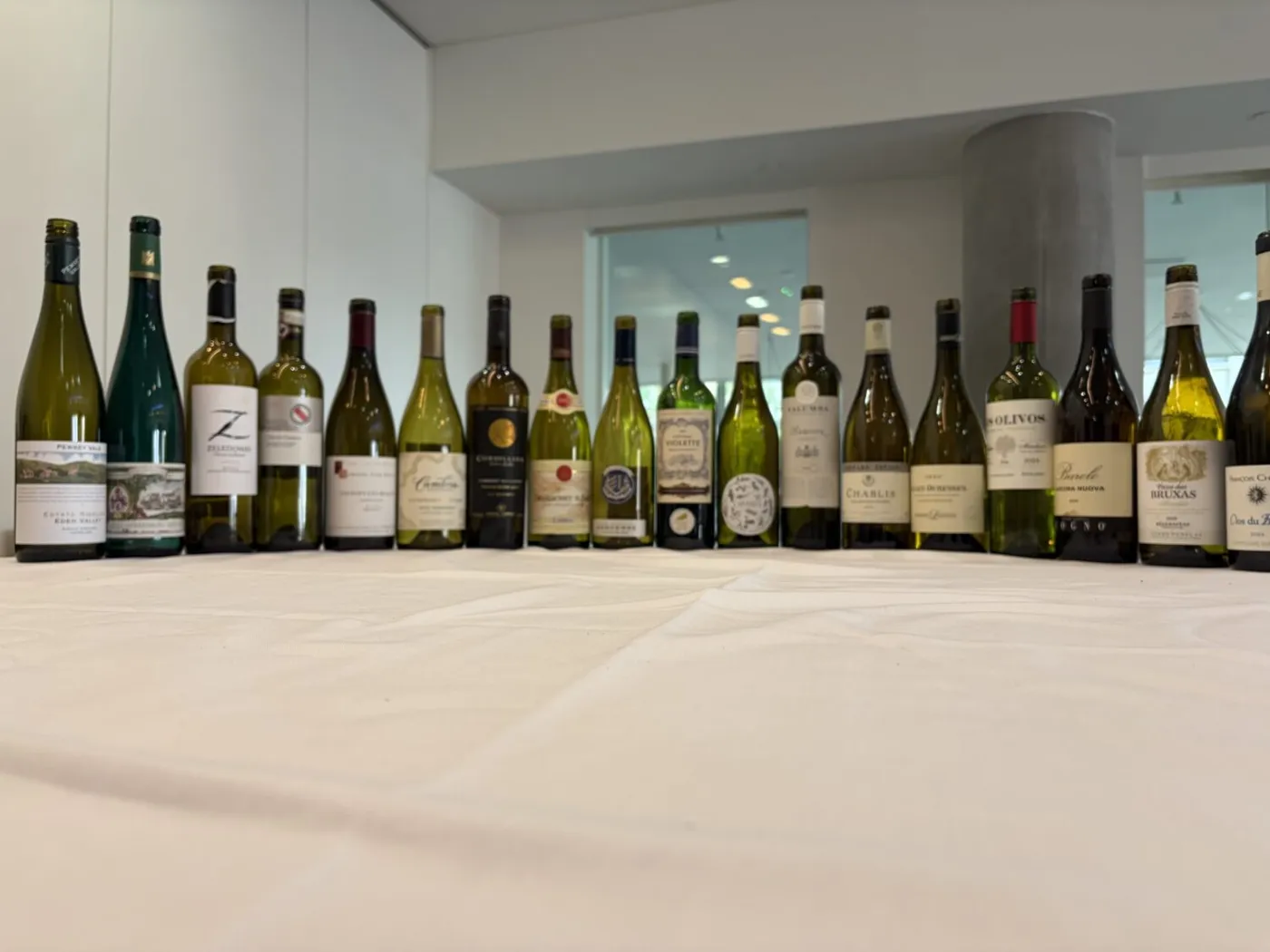
Study · Advanced · 03 of 6
Classic Grape Markers: how the Court describes each grape
The markers that point to each classic grape in a blind tasting, region by region, and how to practise them.
- Document
- CMS Classic Grape Markers 25.2
- Written by
- Tim Gaiser MS
- Levels
- Advanced and MS Diploma
Inside the document
- Grapes Included
- Blind Tasting
- Cabernet Sauvignon
- Pinot Noir
- Merlot
- Cabernet Franc
- Gamay
- Carménère
- Nebbiolo
- Sangiovese
- Corvina
- Grenache
- Zinfandel
- Syrah
- Shiraz
- Tempranillo
- Malbec
- A Message from Our Education Chair
- Sauvignon Blanc
- Chardonnay
- Riesling
- Chenin Blanc
- Semillon
- Viognier
- Gewürztraminer
- Muscat
- Pinot Gris/Grigio
- Marsanne
- Grüner Veltliner
- Albariño
- Melon Blanc
- Torrontes
- Assyrtiko
More in Study
Explore more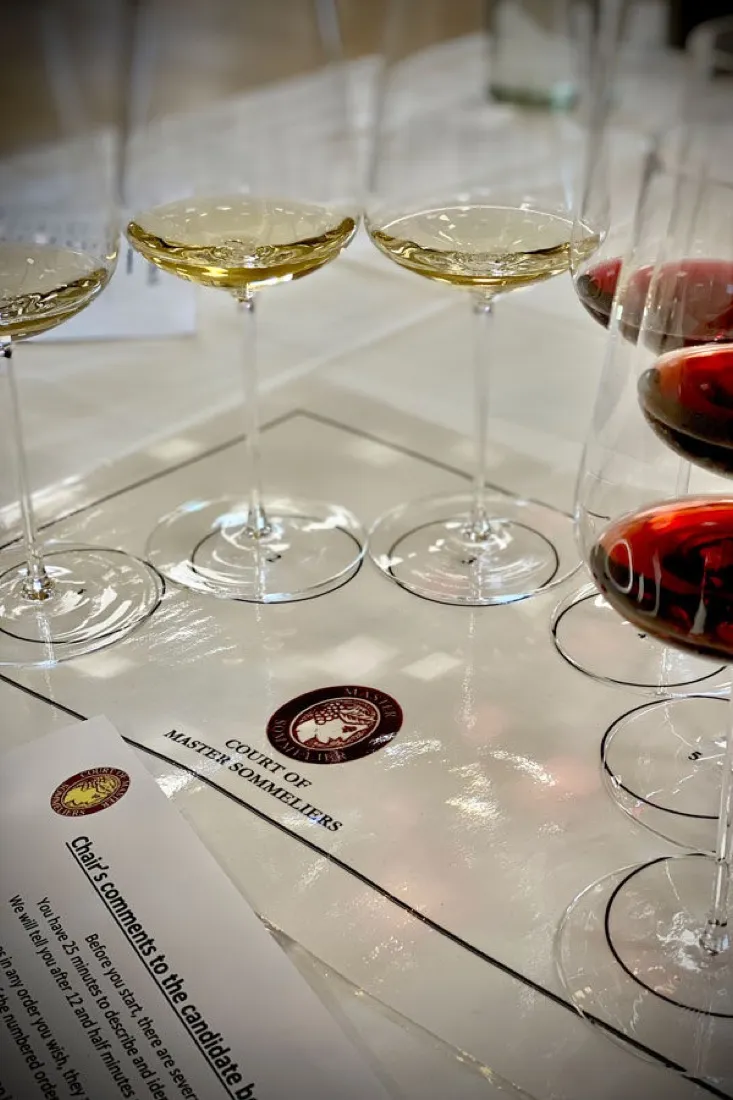
The deductive tasting grid, step by step
The Court’s tasting grid in order, from the first look at the glass to the final conclusion, as the Deductive Tasting Workbook sets it out.
All levels · 3 minRead more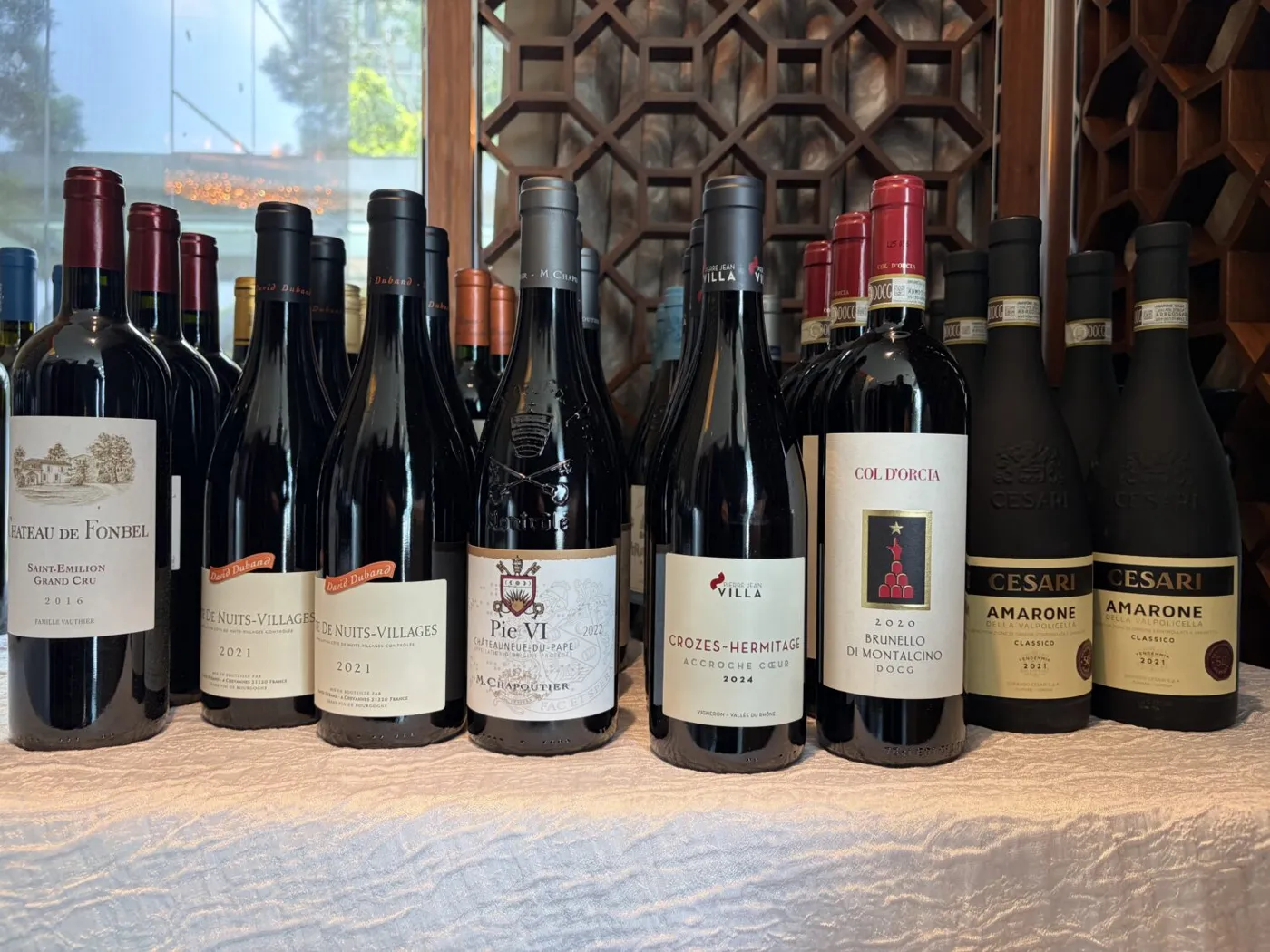
Food and wine pairing: the Court’s three keys
The principles behind matching food and wine: the three keys, the structure of a match, how to set one up, and the quick rules worth learning by heart.
All levels · 3 minRead more
Study like a candidate: the Court’s study tips
Study habits, tasting, theory and practical service: the Court’s own advice to its candidates, in one place.
All levels · 3 minRead more
Service Standards: how the Court serves wine
The Court’s Service Standards in plain words: preparing for service, the standard sequence at the table, sparkling wine, decanting an old red, and storing and serving wine at the right temperature.
All levels · 3 minRead moreIntroductory and Certified topics are ready in the study portal. Advanced? Come back to sharpen. See the portal →