

There are two ways into the Court’s examinations: a recommended path, with the Court’s levels set beside qualifications from other bodies, and an alternative path for those arriving from elsewhere.
It also names the roles each level can lead to. This article reads the pathways and those roles, and explains what they do and do not mean for your route through the four levels.
01The chart
Read from the top, the recommended path pairs each of the Court’s higher levels with another qualification. The Master of Wine sits beside the Master Sommelier Diploma, the WSET Level 4 Diploma beside the Advanced, and WSET Level 3 beside the Certified. Entry to the Court via WSET leads to the Introductory.
The alternative path names three starting points: WSET Level 1, WSET Level 2 and industry employment. At the point of entry there is one condition: the candidate must have twelve months of practical hospitality experience by this point.
| The Court | Beside it | |
|---|---|---|
| Top | Master Sommelier Diploma | Master of Wine |
| Third | Advanced Sommelier Certificate | WSET Level 4 Diploma |
| Second | Certified Sommelier Certificate | WSET Level 3 |
| Entry | Introductory Sommelier Certificate | Entry via WSET, with 12 months in hospitality |
| Alternative | WSET Level 1, WSET Level 2, industry employment |
02What the pairings mean
The pairings show where qualifications sit alongside one another. They are not a way into a higher level. You must complete every level of the Court’s certification, and each level is offered only to those who have passed the one before.


 Certified
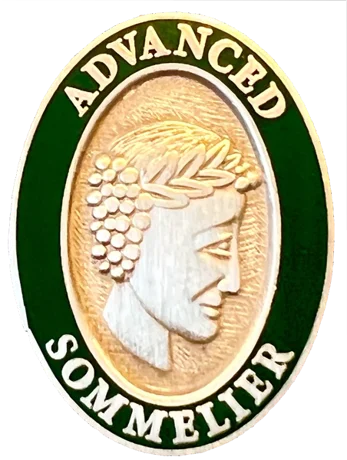 Advanced
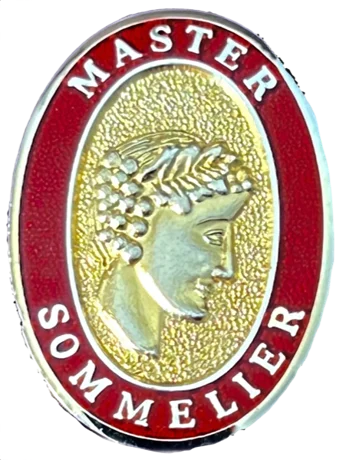 MS Diploma