
Each level of the Court gives you a title and a set of initials. The rules on how they may be used are exact, and they are strict about one word in particular: Master. The rules run from the first level to the last.
This article explains the rules for each level, and why the Master Sommelier title works differently.
01The four titles
Passing each level gives you the right to a title and its initials. Each comes with the version that is not allowed:
 ISIntroductory Sommelier. Not Introductory Master Sommelier, or IMS.
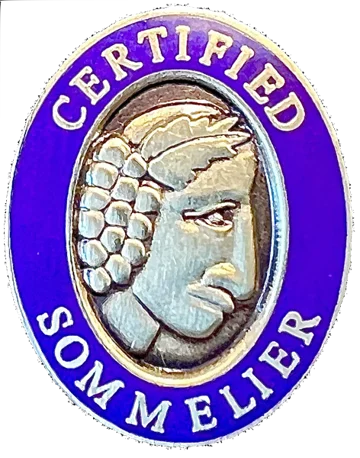 CSCertified Sommelier. Not Certified Master Sommelier, or CMS.
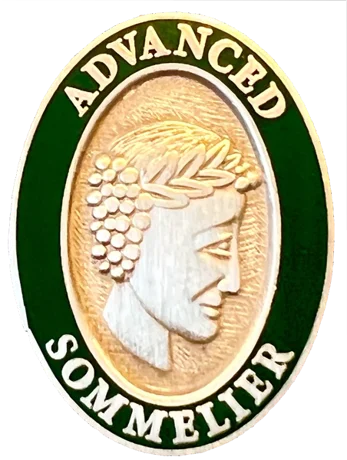 ASAdvanced Sommelier. Not Advanced Master Sommelier, or AMS.
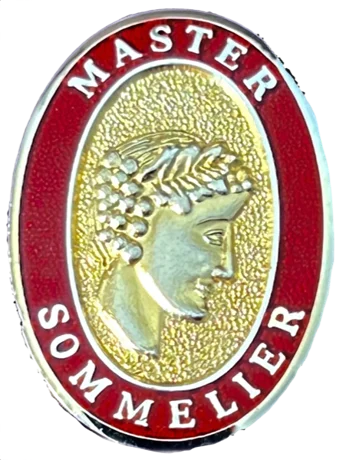 MSMaster Sommelier. Not the word Master on its own.
02The word Master
The rule behind the list is simple. The word Master belongs to the Diploma. A candidate who has passed the Introductory, Certified or Advanced may not add Master to their title, so Certified Master Sommelier and its initials CMS are not allowed, even though CMS is how many people refer to the Court itself.
Even a Master Sommelier may not use the word on its own. The title must always carry the suffix: Master Sommelier, never Master alone.
The titles exist to be used. The Certified is meant to give successful candidates credentials that show employers their skills have been evaluated at a high level of proficiency. And the letters MS reassure a potential employer that the holder is a professional beverage manager who can control an efficient, profitable beverage service.